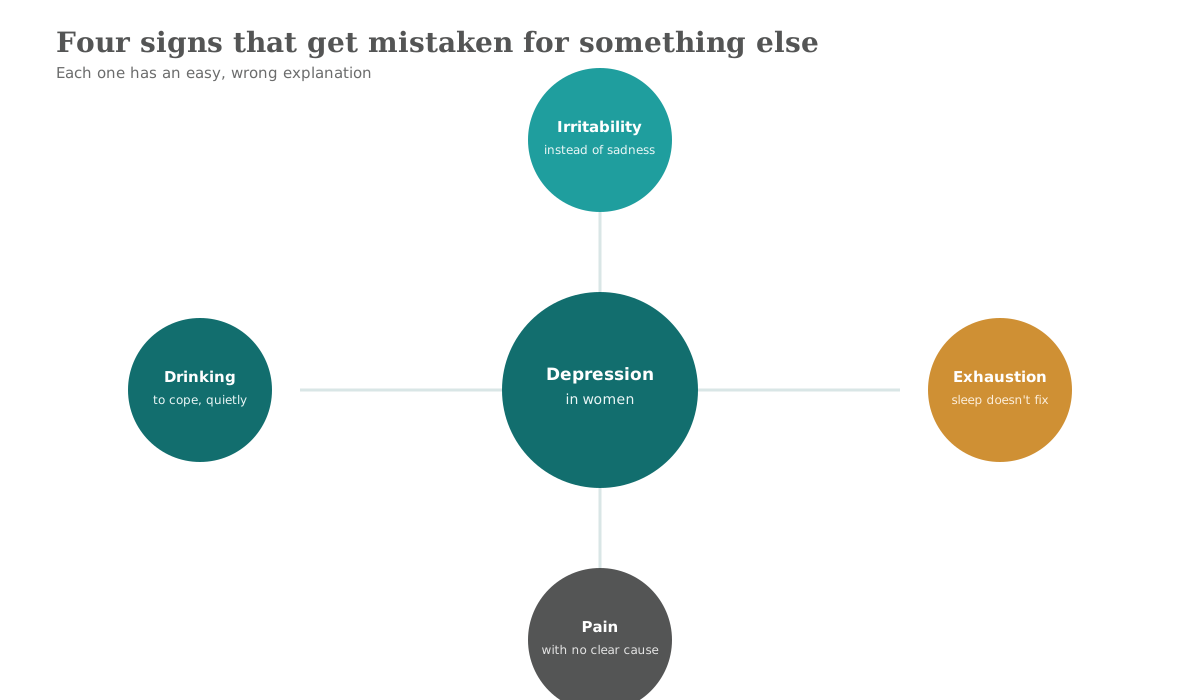
Depression does not always look like sadness. Some women never feel sad at all (National Institute of Mental Health [NIMH], 2023a). Instead it may show up as irritability, loss of interest, exhaustion, physical aches with no clear cause, or turning to alcohol as a way to cope. About 10% of adult women in the U.S. experience a major depressive episode in a given year, and roughly 4 in 10 adults who experience one receive no treatment for it (NIMH, 2023b). Here are the signs that get missed most often, and what to do about them.
Why the Signs of Depression in Women Get Missed
Depression does not look the same in everyone. Some women experience many symptoms at once, while others have only a few (NIMH, 2023a). A woman with three quieter symptoms may still be experiencing depression, even if there is nothing obvious to point to when someone asks if she is okay.
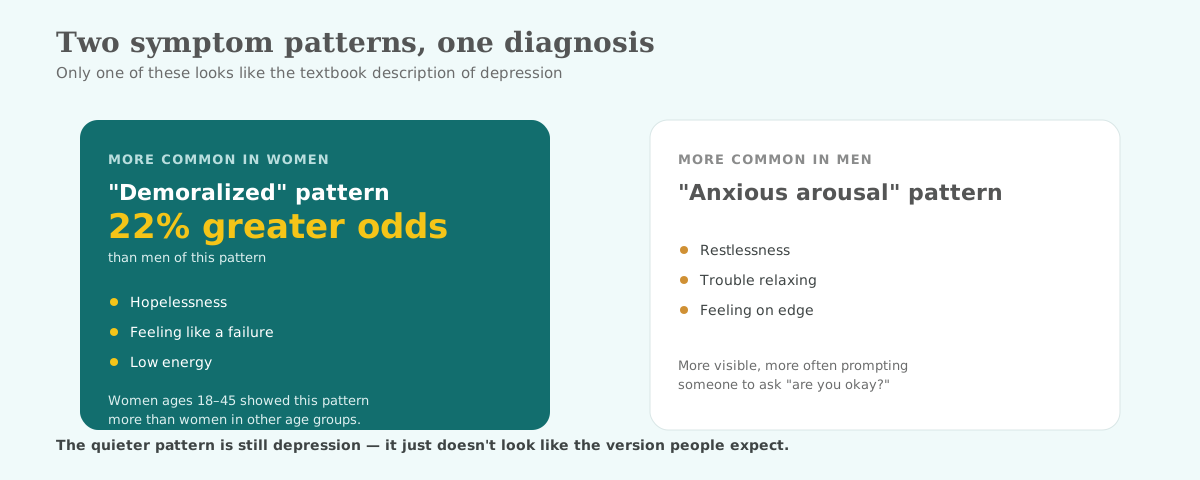
Symptom patterns help explain why some cases are easier to miss. In a 2025 study, women had 22% greater odds than men of showing a pattern centered on hopelessness, feeling like a failure, and low energy, rather than the more restless, anxious pattern more common in men (Weiss et al., 2025). This pattern is quiet. It may not disrupt a household or prompt someone to seek immediate help.
Symptoms of Depression in Women: A Checklist
Talk to a health care provider if you have experienced any of the following most of the day, nearly every day, for at least two weeks (NIMH, 2023a):
- Anxiety or irritability
- Feelings of hopelessness, worthlessness, or helplessness
- Loss of interest or pleasure in hobbies and activities you once enjoyed
- Fatigue, lack of energy, or feeling slowed down
- Difficulty concentrating, remembering, or making decisions
- Changes in sleep or appetite, in either direction
- Physical aches or pains without a clear physical cause
- Thoughts of death or suicide
If you are struggling or having thoughts of suicide, call or text the 988 Suicide and Crisis Lifeline at 988. In life-threatening situations, call 911 (NIMH, 2023a).
Hidden Signs of Depression That Look Like Something Else
Irritability Instead of Sadness
Anxiety and irritability sit at the top of the official symptom list and can be more noticeable than sadness (NIMH, 2023a). A short fuse over small things, snapping at people you care about, or feeling constantly overwhelmed are all recognized signs. They get explained away as stress or a personality trait, which is why they go dismissed for years.
Exhaustion That Sleep Does Not Fix
Low energy and fatigue are among the most common symptoms of depression, and they are easy to blame on something else: a demanding job, small children, or another health issue like a thyroid problem. The difference is that rest does not repair these symptoms. A full night of sleep, a weekend off, or a vacation may not change much.
Pain With No Clear Cause
Headaches, cramps, digestive problems, and body aches that have no clear physical explanation are recognized symptoms of depression (NIMH, 2023a). Many women see a string of providers for the pain, get normal results, and leave without anyone asking about mood. Clean workups are a reason to have the mood conversation, not to drop it.
When Drinking Starts to Increase
This is the sign that brings the most women to treatment, and it is rarely described as a depression symptom. It grows slowly enough that no single night looks like a problem. Alcohol is often used to cope with psychological distress, and providers screen women for alcohol misuse less often than men (NIAAA, 2024). The drinking increases while the depression underneath remains unnamed.
What Does "High-Functioning Depression" Mean?
"High-functioning depression" is not a clinical diagnosis. The closest formal match is persistent depressive disorder (PDD). It involves depressed mood most of the day, more days than not, for at least two years, plus at least two of the following (Patel et al., 2024):
- Poor appetite or overeating
- Insomnia or sleeping too much
- Low energy
- Low self-esteem
- Poor concentration
- Hopelessness
PDD is often overlooked, and the impairment it causes can be as severe as major depression. It also raises the risk of developing a substance use disorder (Patel et al., 2024). "High-functioning depression" is often overlooked because responsibilities are still taken care of: deadlines are met, the children get where they need to go, and nothing looks like an emergency. Despite all that, functioning is not the same as being well.
Life Stages When Depression Symptoms in Women Are More Likely
Some forms of depression are associated with reproductive stages, and they are treatable (NIMH, 2023a).
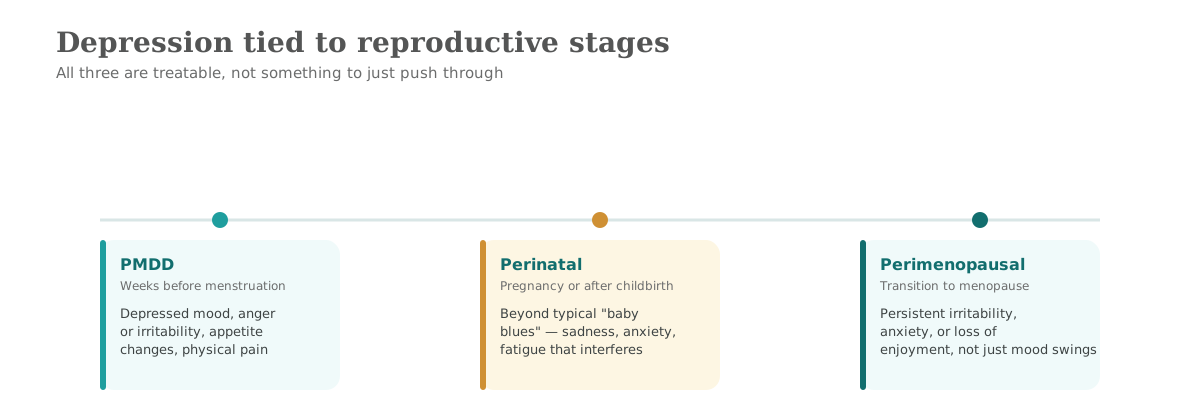
- Premenstrual dysphoric disorder (PMDD) is a severe form of premenstrual syndrome that occurs in the weeks before menstruation. Symptoms can include depressed mood, anger or irritability, appetite changes, and physical pain.
- Perinatal depression can occur during pregnancy or after childbirth. It goes beyond the temporary "baby blues," and may involve sadness, anxiety, and fatigue intense enough to interfere with caring for yourself or others.
- Perimenopausal depression can occur during the transition to menopause. Mood swings and disrupted sleep are common during this stage, but persistent irritability, anxiety, or loss of enjoyment may be signs of depression.
When Drinking Is the Reason You Finally Call
For some women, concerns about alcohol and substance use prompt them to seek help before they recognize or address underlying mood symptoms. Women can develop alcohol-related problems sooner and at lower levels of alcohol consumption than men, and they are less likely to receive treatment for alcohol use disorder (AUD) (NIAAA, 2025a).
Mental health conditions and alcohol use disorder can occur together. Some people use alcohol to cope with emotional distress, while alcohol use can also worsen mental health symptoms, creating a cycle that can be difficult to break (NIAAA, 2025b).
Abstinence may improve a co-occurring mental health condition on its own, but treating the mental health symptoms alone is not enough to resolve the drinking problem. Dual diagnosis treatment includes an assessment that looks at both mental health and substance use histories, rather than focusing only on the one concern that led you to seek help (NIAAA, 2025b).
How Sunview Wellness Treats Depression in Women
At Sunview Wellness, we treat in vivo, which means recovery happens within your everyday life through our partial hospitalization, intensive outpatient, and outpatient programs. You can continue working, studying, and living at home while receiving care.
Our clinical team screens for both mood symptoms and alcohol use at intake, not just the concern that prompted the call, and treats anxiety, depression, and substance use together when they occur together.
We're in network with most major insurance carriers, and we accept Medicaid. Our admissions team can verify your benefits at no cost and schedule an assessment.
Key Takeaways
- Anxiety and irritability sit at the top of the depression symptom list. Sadness is only one symptom, and some women never feel it at all.
- Women had 22% greater odds than men of a symptom pattern centered on hopelessness and low energy rather than visible agitation, and this pattern showed up more in women ages 18 to 45 than in women in other age groups.
- "High-functioning depression" is not a diagnosis. Its closest match, persistent depressive disorder (PDD), lasts at least two years and increases the risk of a substance use disorder.
- Providers are less likely to screen women for alcohol misuse than men, so a drinking pattern that grew out of coping often goes unmentioned.
- Stopping alcohol use may improve a co-occurring mental health condition, but treating that condition alone rarely resolves the drinking problem.
Outpatient Depression and Addiction Treatment in West Palm Beach
Sunview Wellness is a Joint Commission accredited outpatient program in West Palm Beach, serving adults 18 and older. Depression, anxiety, and trauma are treated alongside substance use here, in the same program and by the same team.
Our PhD-led clinical team brings more than 50 years of combined experience and works psychodynamically, using Inner Child Therapy to reach the shame, inadequacy, and fear underneath substance use.
Call (561) 269-3175
Sources
- National Institute of Mental Health. (2023a). Depression in Women: 4 Things to Know. Brochures and Fact Sheets, No. 23-MH-4779. National Institute of Mental Health.
- National Institute of Mental Health. (2023b). Major Depression. Mental Health Information: Statistics. National Institute of Mental Health.
- Patel, R. K., et al. (2024). Persistent Depressive Disorder. StatPearls. StatPearls Publishing.
- National Institute on Alcohol Abuse and Alcoholism. (2025a). Women and Alcohol. Brochures and Fact Sheets. National Institute on Alcohol Abuse and Alcoholism.
- National Institute on Alcohol Abuse and Alcoholism. (2025b). Mental Health Issues: Alcohol Use Disorder and Common Co-occurring Conditions. The Healthcare Professional’s Core Resource on Alcohol. National Institute on Alcohol Abuse and Alcoholism.
- Weiss, K., et al. (2025). Gender Differences in Symptom Profiles of Individuals Being Treated for Mood Disorders. Journal of Mood and Anxiety Disorders, 12, Article 100152.
- National Institute on Alcohol Abuse and Alcoholism. (2024). Advancing Research on Women’s Health. NIAAA Strategic Plan Fiscal Years 2024–2028. National Institute on Alcohol Abuse and Alcoholism.